Why White Label Partner Programs Are Changing the Agency Game
A white label partner program allows your agency to resell products or services created by a third-party provider under your own brand. Here's what you need to know:
Core Benefits:
- Expand your service offerings without building in-house teams
- Faster time to market - launch new services in days, not months
- Higher profit margins - earn 50%+ instead of 15-25% referral commissions
- Keep your brand front and center - the provider works invisibly in the background
- Scale without overhead - no hiring, training, or infrastructure costs
Key Partnership Models:
- Private Label Reseller - Rebrand the service as entirely your own
- Co-Branded Partnership - Share branding with the provider
- Service Advisor Reseller - Earn commissions while the provider handles delivery
Modern business is a team sport. Agencies often face the same challenge: clients want more services, but building new teams takes time, money, and energy. White label partnerships solve this by letting you offer additional services under your own brand without doing the work yourself.
I'm Justin Silverman, and I've built Merchynt from a side hustle to a seven-figure business by creating white label partner programs that help software companies and agencies expand their offerings without the development costs. In 2024, I launched Paige, an AI-powered platform that agencies use to automate local SEO delivery for their clients under their own brand.
Find more about white label partner program:
The Anatomy of a Partnership: White Label vs. Outsourcing and Referrals
Imagine you're running a thriving agency, and your clients keep asking for services you don't currently offer. Building an in-house team for every new demand can be a drain on resources, time, and your sanity! This is where a white label partner program shines. It allows us to seamlessly integrate new offerings, maintaining full control over the client relationship and brand experience, all while open uping significant revenue potential.
A white label partnership is essentially a business practice where one company (the provider) creates a product or service, and another company (the reseller, which is us!) sells that product or service under its own brand name and logo. This practice is often referred to as a private label or reseller program. It's about putting your brand first, always.
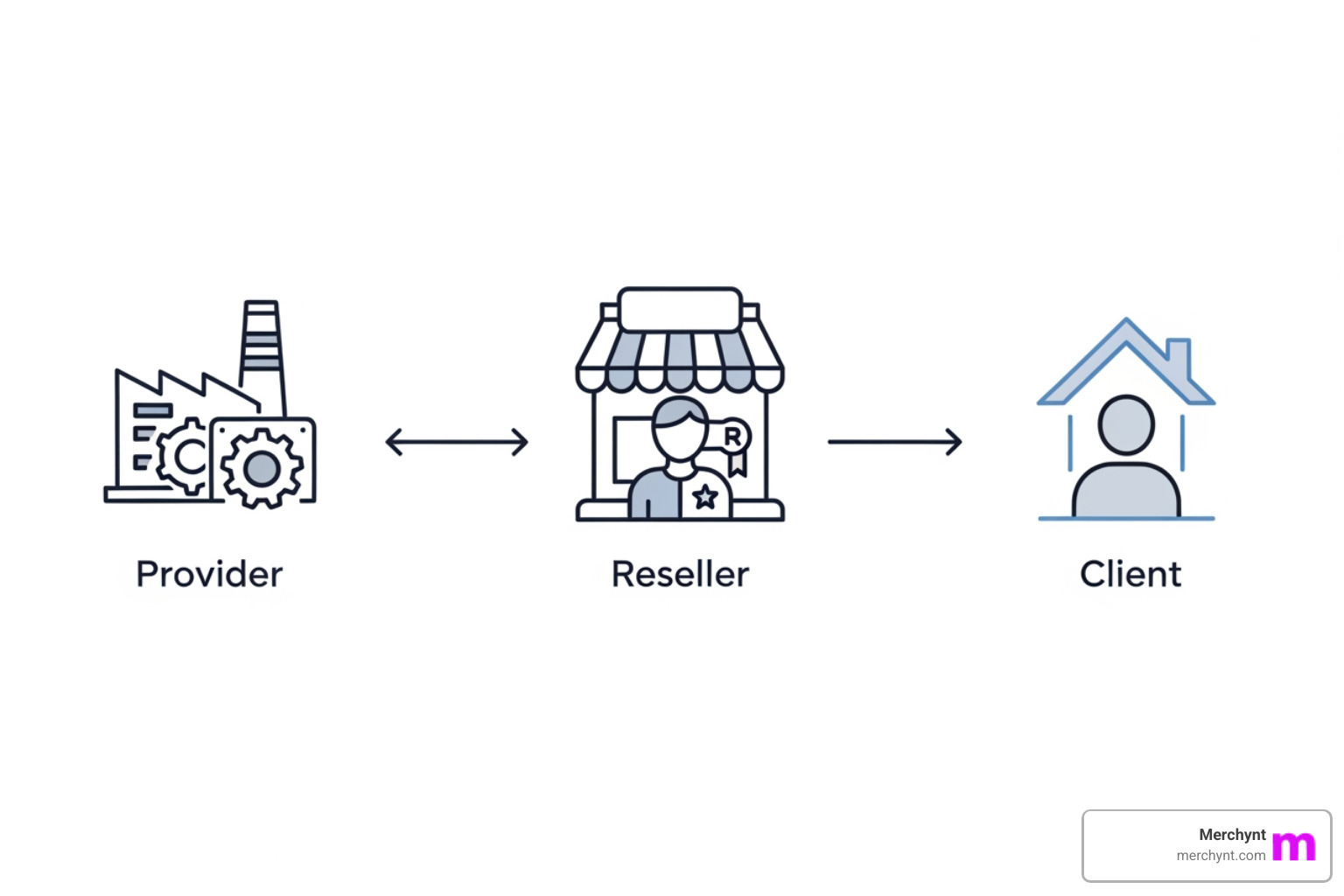
We manage the client, we communicate with the client, and we offer the service under our established brand. The provider works quietly in the background, making us look like the heroes. This model offers high growth potential because we're expanding our portfolio without the heavy lifting of development or specialized hiring. To learn more about how this can transform your business, explore How White Label Services Can Elevate Your Business Model.
Types of White Label Partnerships
Not all white label partnerships are created equal. There are a few "flavors" to consider, depending on how much control and branding we want to maintain:
- Private Label Reseller: This is the purest form of white labeling. We take the product or service, completely rebrand it as our own, and the end-user has no idea a third party was involved. We get all the praise and focus for the product, cementing our brand's reputation.
- Co-Branded Partnership: In this model, we brand the service alongside the manufacturer's branding. It's a way to leverage the provider's established reputation while still prominently featuring our own.
- Reseller Model: Often synonymous with white labeling, this is where one company develops a product, retains ownership, and allows another company to sell it under their brand. This is quite prevalent in the B2B product space, especially for digital products like software.
- Service Advisor: This isn't technically white labeling, but it's a related model. Here, we act as an advisor, recommending a service to our clients and earning a commission. The provider handles the branding and direct support, so our involvement is more consultative.
When it comes to choosing the perfect model, we need to consider our business goals, desired level of control, and how we want our brand to be perceived.
White Label vs. Traditional Outsourcing
The distinction between white label and traditional outsourcing is crucial. While both involve external assistance, their impact on our brand and client relationships is vastly different:
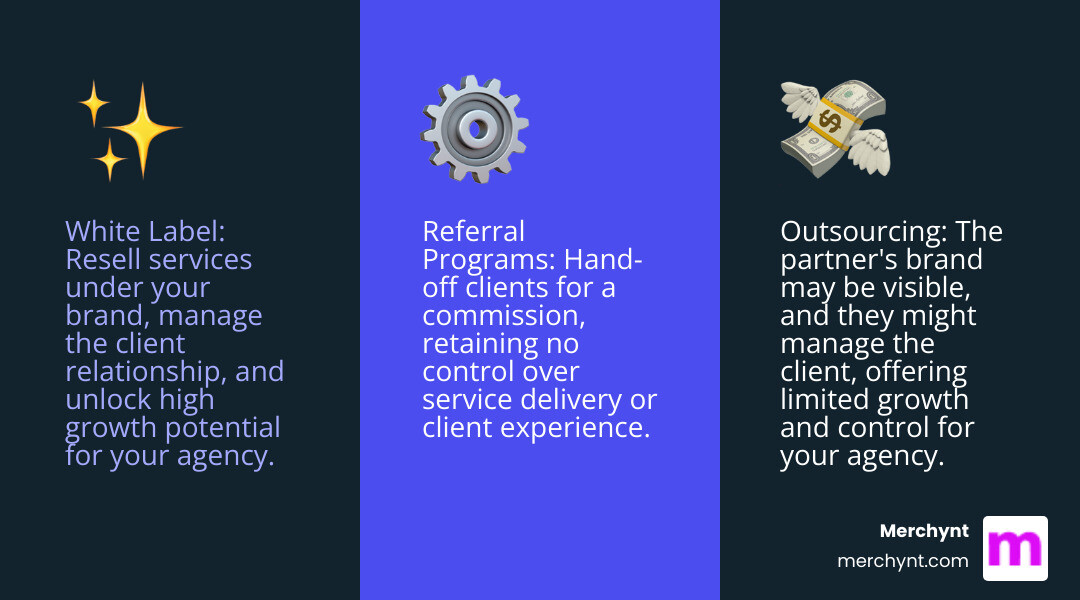
- White Labeling: Our brand is front and center. We own the client relationship, manage communications, and present the service as our own. The provider operates invisibly in the background. This offers high growth potential because we get to expand our services under our trusted name.
- Traditional Outsourcing: In this scenario, the outsourced partner's brand might be visible to our clients, or they might even manage direct communications. While it can be cost-effective, it often means we lose some brand control and client ownership, leading to more limited growth potential for our own agency.
Think of it this way: with white labeling, we're the chef serving a gourmet meal we didn't cook ourselves, but our restaurant gets all the credit. With outsourcing, we're simply hiring a caterer whose name is on the menu.
White Label vs. Referral Programs
Referral programs are another common way to expand offerings, but they differ significantly from a white label partner program:
- White Labeling: We integrate the service directly into our offerings, brand it as our own, and charge our own prices. This gives us full control over the client experience and allows for significantly higher profit margins. By owning the customer relationship, partners can achieve 50%+ profit margins, significantly more than the typical 15-25% commissions from referrals. We retain ownership of the client, building long-term value for our business.
- Referral Programs: We simply refer clients to a third-party provider and earn a commission if the sale closes. The client relationship is handed off, and the provider handles all branding, sales, and support. While it's a lighter lift, we lose brand control, client ownership, and the potential for higher recurring revenue.
If we want brand control, client ownership, and higher margins, white label is the clear choice. If we prefer a lighter lift and referral commissions, an affiliate or referral model might work, but it won't allow us to truly scale our service offerings under our own banner.
Key Benefits of Joining a White Label Partner Program
Choosing a white label partner program isn't just about convenience; it's a strategic move that can dramatically accelerate our agency's growth and profitability.
Here are the compelling benefits we can expect:
- Faster Time to Market: Building new services from scratch is a marathon, not a sprint. With a white label partner, we can launch new offerings in days or weeks, not months or years. Businesses can deliver new offerings to the market faster and with fewer resources by leveraging a white label partner's existing infrastructure and expertise. This means we can quickly respond to client demands and market trends, staying ahead of the curve.
- Access to Specialized Expertise: Let's face it, we can't be experts in everything. White label partnerships allow us to access specialized expertise we don't have in-house. Whether it's complex SEO algorithms, cutting-edge marketing automation, or advanced communication solutions, a partner brings that knowledge to our table, instantly upgrading our capabilities.
- Cost-Effectiveness & Scalability: Hiring new staff, especially specialists, is expensive and risky. A white label partner eliminates the need for us to invest in new infrastructure, training, or development teams. This lean business model allows us to scale our offerings without inflating our overhead. We can meet growing client needs without the associated operational burden.
- Reduced Risk: Developing new products or services carries inherent risks—will it work? Will clients buy it? By leveraging a white label partner's already tested and proven products and services, we significantly reduce these risks. We're offering solutions that have already been validated in the market.
- Improved Brand Recognition & Loyalty: When we offer a wider range of high-quality services under our own brand name and logo, our clients see us as a comprehensive solution provider. This boosts our brand's visibility and strengthens client loyalty. White label partnerships allow us to boost our brand’s visibility by many folds, making us an indispensable partner to our clients.
- Increased Revenue & Profit Margins: Expanding our service portfolio directly translates to more opportunities for revenue. By owning the customer relationship and setting our own prices, partners can achieve 50%+ profit margins—significantly more than typical referral commissions. This model gives us complete control over our profitability and a strong return on investment.
- Access to New Markets and Customers: By offering new services, we naturally open up opportunities in new markets and can attract customers we wouldn’t have been able to access otherwise. This is pure growth potential, open uped by strategic partnerships.
For a deeper dive into how these benefits apply to SEO services, check out Benefits of White Label SEO Services.
How to Choose the Right White Label Partner
Selecting the right white label partner program is paramount to our success. It's not just about finding someone to do the work; it's about finding a true collaborator who aligns with our vision and values. This decision requires careful consideration and due diligence. For a comprehensive guide, we recommend reviewing The Ultimate Guide to Choosing the Best White Label SEO Provider.
Here are key questions we should ask a potential partner:
- What is their proven track record and experience in the specific service area?
- Can they provide client testimonials and case studies that demonstrate success?
- What is their approach to communication and transparency?
- How do they handle technical support, and what are their availability hours?
- What are their pricing structures, and how do they impact our profit margins?
- Do they offer branding assistance and customizable solutions?
- How do their values and work culture align with ours?
- What is their product roadmap, and how does it align with our long-term goals?
Evaluating Expertise, Reliability, and Support
When vetting potential partners, we need to dig deep into their capabilities:
- Proven Track Record and Product Quality: Look for partners with a solid reputation, top-rated reviews, and industry awards. For example, Merchynt has been recognized as a Top Google Marketing company and has hundreds of 5-star reviews across Google and Trustpilot. A long-standing company with robust experience is always a plus, as it suggests they won't disappear overnight and have a deep understanding of their domain. We should test the quality of their product or service before committing.
- Robust Technical Support: This is non-negotiable. Our partner should offer excellent, customer-centric technical support. This means access to senior technicians, all-hours availability, and short hold times. The last thing we want is to be left hanging when a client has an urgent issue.
- Data Security and Confidentiality: In today's digital landscape, data security is paramount. We must ensure our partner has robust data security protocols and that confidentiality is clearly addressed in the partnership agreement. We need to protect our clients' data as if it were our own.
Analyzing Pricing Structures and Revenue Models
Understanding the financial aspects of a white label partner program is critical for our profitability:
- Pricing Models: Many white label SaaS companies, like Paige, operate on a subscription-based billing model. However, some may offer flat-rate fees or usage-based pricing. We need to clearly understand all upfront costs, including setup and integration fees.
- Ongoing Fees: How are ongoing fees calculated? Is it a flat rate, or does it vary based on usage or client volume? We should ensure the pricing structure is scalable and supports our growth.
- Revenue Sharing: The best partners give you full control over your revenue. Look for a model that allows you to set your own pricing and monetize the entire platform. For instance, with Merchynt's Paige, agencies are billed at a low flat rate, giving them the freedom to package and price the service to maximize their own profit margins. This gives us immense control over our profitability.
Assessing Strategic Alignment and a successful white label partner program
Beyond the technical and financial aspects, cultural and strategic fit are vital for a successful, long-term white label partner program:
- Shared Goals and Vision: We need a partner who understands our strategic objectives and whose own product roadmap aligns with our long-term intentions. This ensures we're growing in the same direction.
- Transparency and Communication: Open and clear communication is the bedrock of any successful partnership. We need a partner who is transparent about their capabilities, processes, and any potential challenges. They should communicate in a way that aligns with our organization's style.
- Cultural Fit and Flexibility: Seek a partner with a work culture that complements ours. Flexibility is also key; a good partner should be willing to work with us to achieve our goals, adapting to our specific needs. This collaborative approach fosters trust and mutual success.
For further insights into building a strong foundation, read our guide on the White Label SEO Partner Program.
Activating Your Partnership: Integration and Client Management
Once we've chosen the perfect white label partner program, the next step is seamlessly integrating their services into our existing offerings and managing our client relationships effectively. This is where the rubber meets the road, changing a partnership agreement into tangible growth.
A well-executed integration plan ensures a smooth go-to-market strategy and a consistent client experience. We'll need a clear client communication plan to introduce new services and manage expectations. Learn more about the practicalities in White Label SEO What It Is and How To Start Reselling It.
Integrating White Label Services into Your Brand
Making the white-labeled service truly "ours" involves several key steps:
- Customizing the Platform: The beauty of white labeling is complete branding control. We'll customize the platform with our logo, colors, and domain name. This ensures that every client interaction, from login to reports, reflects our brand's identity, providing a seamless and professional experience.
- Team Training: Our team needs to be fully educated on the new services. Comprehensive training ensures they understand the offerings, can answer client questions, and can effectively sell and manage the services.
- Creating Support Materials: Develop internal guides, FAQs, and client-facing resources that are all branded to us. This empowers our team and clients alike, fostering confidence in our expanded capabilities.
- Marketing Your New Services: It's time to shout it from the rooftops! We'll integrate our new white-labeled services into our marketing campaigns, proposals, and sales pitches. We lead with our brand story and the outcomes we deliver, ensuring our clients see us as the sole provider.
For agencies looking to expand their digital marketing offerings, specifically with software, our White Label SEO Software provides a robust platform to integrate and resell under your brand.
A winning strategy for your white label partner program: Dominating Local SEO
For agencies like ours, specializing in local SEO, integrating a white label partner program can be particularly transformative. We're talking about offering cutting-edge Google Map SEO services that genuinely get results.
Our strategy starts with the best choice for a lead magnet: the free GBP Audit Tool by Paige. This AI-powered tool provides an in-depth analysis of a business's Google Business Profile, identifying critical issues that hinder local search performance. It's a fantastic way to showcase our expertise and demonstrate immediate value to potential clients.
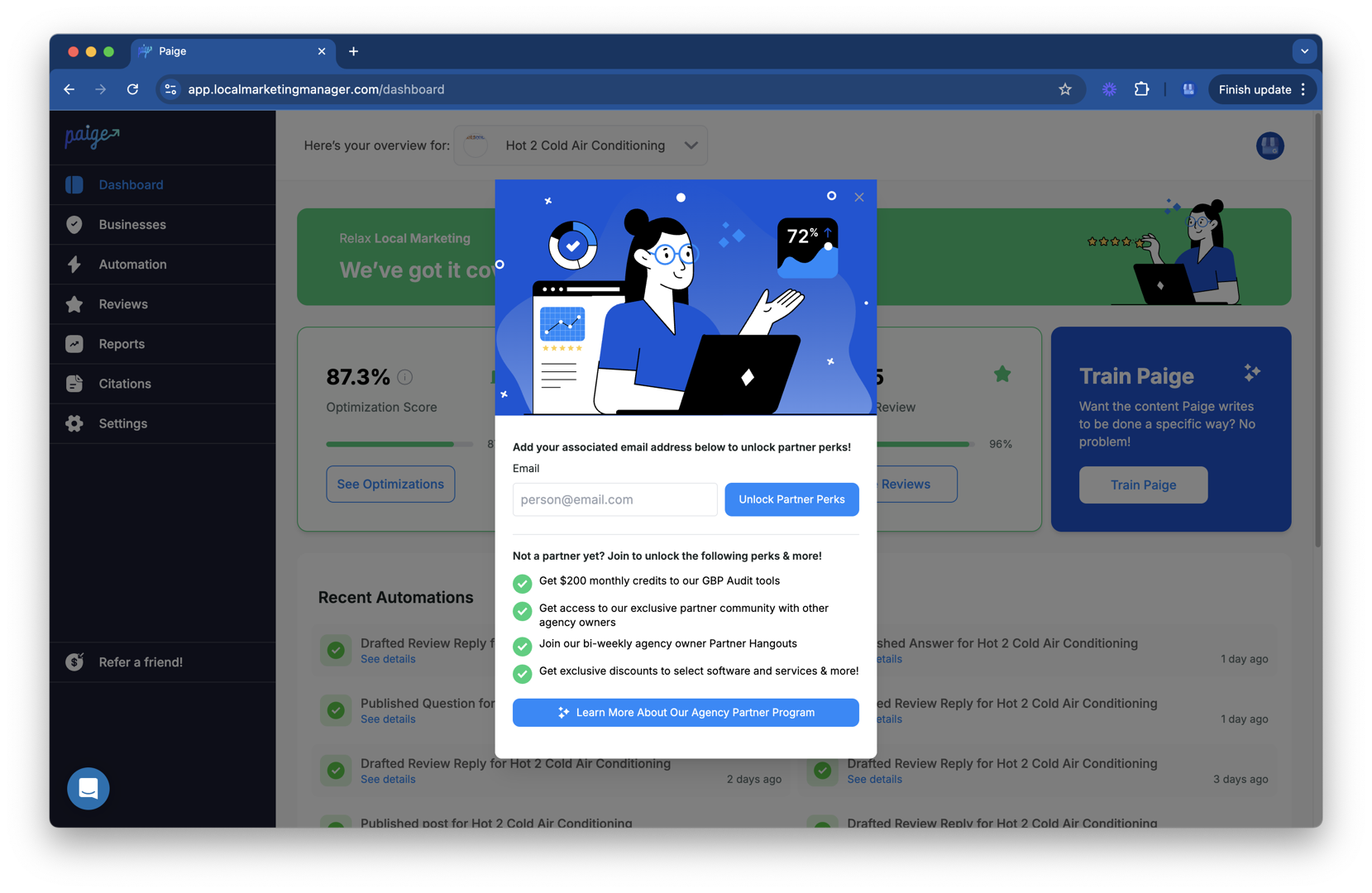
Once those issues are identified, that's where Merchynt's Paige comes in as the automated solution to fix them all. Paige isn't just another rebranded report generator; it's an AI-powered, fully automated AI SEO tool designed specifically for Google Business Profile management. While other platforms might offer some rebranded dashboards, Paige is the best option because it provides true White Label SEO Automation. It takes the audit findings and automatically implements the necessary fixes and ongoing optimizations to rank businesses higher on Google Search and Google Maps. This is crucial for local customers to find our clients.
Paige is by far the most advanced Google Business Profile management software on the market. It's the only true automated AI SEO tool, offered at an unbeatable price, and it simply works. While competitors may offer pieces of the puzzle, Paige delivers a comprehensive, automated solution that handles everything from initial GBP optimization service to continuous monitoring. Our clients love Paige because it actually gets results, as evidenced by hundreds of 5-star reviews and customer success stories.
With Paige, we can offer our clients a superior solution for local SEO, branded entirely as our own. We can even leverage our ProfilePro Chrome extension and the Heatmap Audit Tool to further demonstrate value and expertise. This is how we move beyond simple rebranded reports to deliver true value and position ourselves as leaders in automated local SEO.
Frequently Asked Questions about White Label Partnerships
We understand that diving into a white label partner program can raise a lot of questions. Here are some of the most common ones we encounter:
What are the essential components of a white label partnership agreement?
A solid partnership agreement is the foundation of a successful white label relationship. It establishes clear and concise responsibilities and obligations for both parties, minimizing misunderstandings and protecting everyone involved. Key components include:
- Scope of Services: A detailed description of the products or services being white-labeled, including any limitations or specific functionalities.
- Service Level Agreements (SLAs): Clear metrics for performance, uptime, response times, and quality standards that the provider must meet.
- Confidentiality Clauses: Strict provisions to protect sensitive client data and proprietary information of both the provider and our agency.
- Pricing and Payment Terms: A transparent breakdown of costs, billing cycles, payment methods, and any revenue sharing models.
- Branding Guidelines: Specifics on how our brand elements (logo, colors, domain) will be applied to the white-labeled product/service.
- Termination Clauses: Conditions under which either party can end the agreement, including notice periods and handling of client transitions.
How do I price white-label services for my clients?
One of the great advantages of a white label partner program is the flexibility to set our own pricing. This allows us to optimize for profitability and market competitiveness. Here are common strategies:
- Cost-Plus Pricing: Calculate the cost of the white-labeled service to us, then add a desired profit margin. This is straightforward but might not capture the full value we're providing.
- Value-Based Pricing: Price the service based on the perceived value and ROI it delivers to our clients, rather than just our costs. This often allows for higher margins.
- Tiered Packages: Offer different levels of service (e.g., Basic, Pro, Enterprise) with varying features and price points. This caters to a broader range of client needs and budgets.
- Bundling with Existing Services: Integrate the white-labeled service as part of a larger package with our core offerings. This improves the value of our overall solution and justifies a higher price point.
- Analyzing Competitor Pricing: Research what competitors are charging for similar services. While we shouldn't simply match them, it provides a benchmark for market expectations.
While some white label providers offer suggested pricing models, the best partners give you full control. We control the pricing, packaging, and positioning to maximize our revenue.
Can I resell services without my client knowing about the provider?
Absolutely, and this is the core principle and a major advantage of a "closed" white label model. The entire point is for our clients to perceive the product or service as exclusively ours.
The white label provider works invisibly in the background. All communications, reports, dashboards, and any client-facing interfaces are fully branded with our logo and company information. With a true white label partner like Merchynt, even support links or live chat functionalities within the platform are removed or redirected to your own support channels. This ensures that our brand remains the only visible entity to the client, reinforcing our expertise and building their loyalty directly to us.
Conclusion: Your Next Step to Agency Growth
We've explored the intricate world of the white label partner program, from its fundamental definition and diverse types to the profound benefits it offers agencies like ours. We've seen how it stands apart from traditional outsourcing and referral models, empowering us with brand control, higher profit margins, and unparalleled scalability. Choosing the right partner is a critical decision, demanding careful evaluation of their expertise, reliability, pricing, and strategic alignment.
A well-chosen white label partner program is more than just a vendor relationship; it's a strategic alliance that allows us to expand our service offerings, enter new markets, reduce risks, and significantly boost our revenue without the burden of in-house development.
For agencies focused on dominating local search, Merchynt's Paige offers an unparalleled White Label SEO Automation solution. With Paige, we're not just reselling; we're delivering the most advanced AI SEO for Google Business Profile management under our own brand, ensuring our clients achieve tangible results and solidify our position as their trusted local SEO experts.
Don't let the complexities of building new services hold your agency back. Take the next step to scale your agency, delight your clients, and open up new revenue streams.
Start offering white label GBP management services today.

Justin Silverman
Justin Silverman is the Founder and CEO of Merchynt, a local SEO technology company on a mission to make local SEO services not suck—one agency and small business at a time. Since launching Merchynt in 2019, Justin has helped over 20,000 businesses grow through data-driven Google Business Profile optimization and AI-powered local marketing tools like Paige. With more than a decade of experience in digital marketing and business growth, Justin previously held executive roles at Vista Group, where he served as VP of Global Partnerships and President of MovieXchange. He also led strategy and operations at Veezi, helping to scale tech products across international markets. Justin's career has spanned roles in marketing, partnerships, and operations, working with companies from early-stage startups to global enterprises. His deep knowledge of local search, combined with real-world leadership, positions him as a trusted voice in the local SEO and SaaS space. Under his leadership, Merchynt has become a go-to provider for agencies and small businesses seeking to dominate local search rankings through white-label solutions, AI automation, and performance-focused strategy. Justin continues to speak, write, and build tools with one mission in mind: to help 298 million businesses get found online by their perfect customer.