Running a marketing agency involves more than delivering services. You also need to maintain relationships, communicate your expertise, and help clients understand the value of the work you're doing.
That can be challenging when your team is busy managing campaigns, reviewing performance, and handling day-to-day client requests.
One way to maintain regular communication is through an educational agency newsletter.
A newsletter gives your agency the opportunity to share useful industry information, explain marketing concepts, and stay connected with clients and prospects.
And with white-label newsletter tools, agencies can reduce the work involved in producing recurring content without giving up control over their brand.
Here's how to develop a newsletter strategy that's useful, manageable, and relevant to your audience.
What Is an Agency Newsletter?

An agency newsletter is a recurring email publication sent by a marketing agency to its subscribers.
Depending on the audience, recipients may include existing clients, prospects who have requested information, referral partners, or other appropriate contacts.
Agency newsletters can serve several purposes:
- Explain industry developments.
- Share practical marketing advice.
- Answer common customer questions.
- Educate readers about available services.
- Communicate agency announcements.
- Maintain relationships between scheduled conversations.
For example, a local SEO agency might publish a newsletter explaining a change to Google Business Profile.
Instead of simply repeating the announcement, it could explain what business owners should know and provide a checklist for reviewing their profiles.
The newsletter becomes a useful resource rather than another generic marketing message.
Why Should Marketing Agencies Send Newsletters?
1. They Create Opportunities for Ongoing Communication
An agency might do most of its work behind the scenes.
Clients may receive monthly reports or attend occasional meetings, but those interactions aren't always enough to communicate everything the agency knows.
A newsletter creates another opportunity to share expertise.
For example, explaining an important marketing development can help clients understand the environment in which their campaigns operate.
However, newsletters shouldn't replace direct communication about individual client performance or important account changes.
They should complement those conversations.
2. They Help Agencies Explain Their Expertise
Marketing concepts aren't always easy for business owners to understand.
Terms such as local SEO, Google Maps visibility, citations, conversion tracking, and website optimization may be familiar to an agency but confusing to someone outside the industry.
A useful newsletter helps bridge that gap.
Instead of assuming readers understand the terminology, explain what it means and why it might matter.
For instance, an article about Google Business Profile optimization could explain the difference between keeping business information accurate and improving the overall local search strategy.
That kind of educational communication helps readers make better-informed decisions.
3. They Can Support Long-Term Relationships
A prospect may be interested in an agency's services without being ready to purchase.
An existing client may appreciate learning about developments related to the services they receive.
A relevant newsletter can provide ongoing value to both groups.
That doesn't guarantee more sales or better retention, but it can create additional opportunities for engagement and meaningful conversations.
The key is to make each email worth receiving.
What Should Agencies Include in Their Newsletters?
A common challenge is finding useful topics on a recurring basis.
The easiest starting point is understanding what your audience needs to know.
Industry News and Updates
Share developments that could affect the businesses you serve.
For a local SEO agency, that might include changes to Google Business Profile features, new Google Search functionality, or important developments in local marketing.
Don't simply summarize the news.
Explain what the development means, who it may affect, and what readers should consider doing.
Practical Marketing Advice
Teach readers something they can apply.
For example:
- How to keep Google Business Profile information accurate.
- What to review on a local business website.
- How to evaluate customer feedback processes.
- Questions to ask when planning a marketing campaign.
- Common mistakes to avoid when updating online business information.
A useful tip can become a short newsletter without requiring a lengthy article.
Common Customer Questions
Your agency probably answers similar questions regularly.
Why are my Google Maps rankings different across locations?
What should I put on my service pages?
How do I know whether my business profile is accurate?
Each question offers an opportunity to create educational content.
Start with a clear answer, explain the relevant considerations, and provide a practical next step.
Relevant Service Information
Your newsletter can occasionally introduce services your agency offers.
However, make sure the service connects naturally to the topic.
If the newsletter explains website performance issues, a relevant website optimization service might be appropriate.
If the newsletter focuses on Google Business Profile management, linking to a related local SEO service may make sense.
Avoid inserting unrelated promotions into every email.
What Is a White-Label Agency Newsletter?
A white-label newsletter allows an agency to use prepared content or a newsletter system while distributing communications under its own branding.
Depending on the platform, customization may include:
- Agency name and logo.
- Email subject line.
- Newsletter title and body.
- Writing tone.
- Brand colors and layout.
- Images and banners.
- Calls to action.
- Relevant services and offers.
The purpose is to make the final newsletter appropriate for the agency's own audience.
For example, a local SEO agency might receive a draft about a Google Business Profile feature and adapt the content to explain how its clients can use that feature.
The agency could also include a link to its own educational resource or service page.
White-labeling shouldn't mean sending content without reviewing it.
The final newsletter still needs to be accurate and relevant.
How Paige by Merchynt Supports White-Label Newsletters
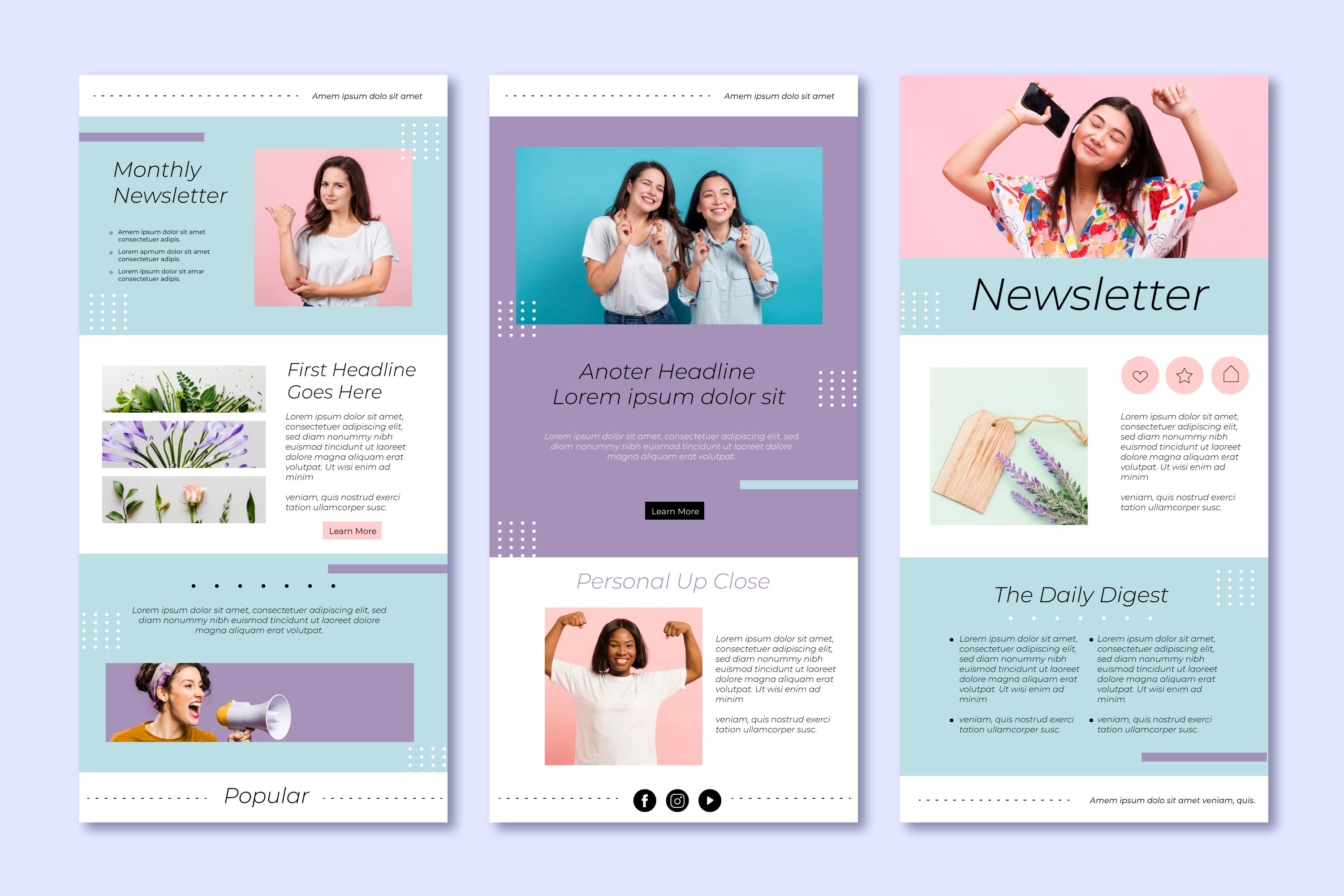
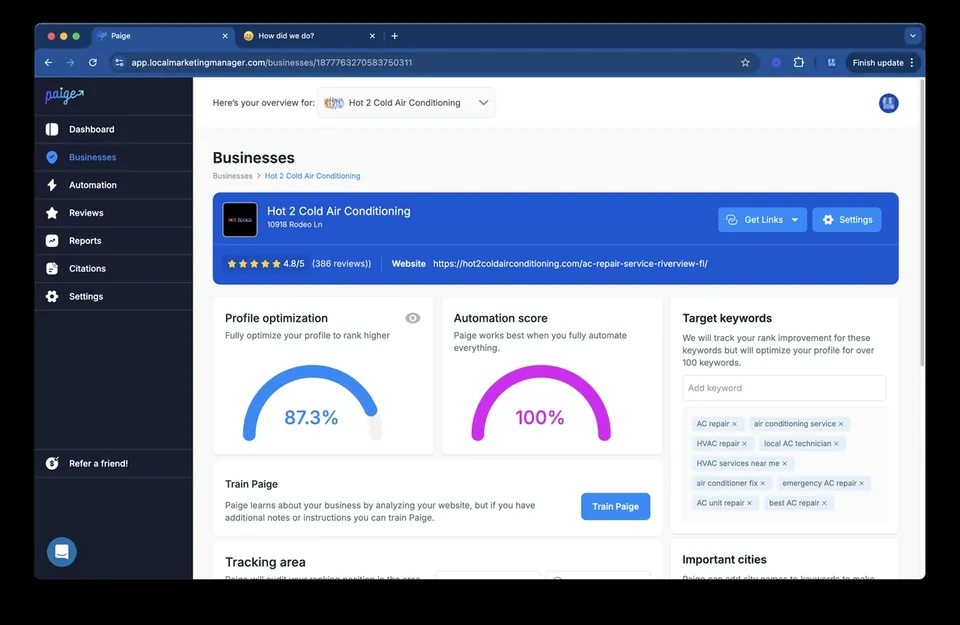
Paige by Merchynt offers a white-label newsletter workflow for participating agency partners.
The feature described in Merchynt's walkthrough takes its recurring educational newsletter and prepares a customized draft for agencies.
The workflow is designed to remove Merchynt-specific branding and replace it with agency-appropriate content.
Agencies can also customize the writing instructions so future drafts better match their preferred tone, services, and communication priorities.
For example, an agency that doesn't offer social media management could instruct the system to avoid promoting that service.
An agency that specializes in website optimization could guide relevant newsletters toward that area of expertise when appropriate.
The feature also supports newsletter editing, template customization, and an approval process before sending.
The specific configuration options and limits should be confirmed in the current Paige interface or Help Center.
How to Build a Reliable Agency Newsletter Workflow
Whether you're using a white-label tool or creating newsletters manually, a repeatable process is important.
Step 1: Define Your Audience
Begin with the people who will receive your emails.
Are they small business owners, agency clients, marketing managers, or qualified prospects?
Think about what those readers already understand and what information they need.
A technical newsletter written for SEO professionals may not be suitable for small business owners unfamiliar with search marketing terminology.
Step 2: Establish Content Categories
Choose a few recurring themes relevant to your services.
For a local marketing agency, suitable categories might include:
- Google Business Profile education.
- Local search developments.
- Website optimization.
- Customer review management.
- Practical marketing checklists.
These categories provide direction without forcing every newsletter to follow the same structure.
Step 3: Choose a Manageable Publishing Schedule
Consistency can make newsletter planning easier.
However, publishing more frequently isn't automatically better.
Choose a schedule based on the availability of useful material and your team's ability to review it.
Weekly, biweekly, or monthly distribution may be appropriate depending on the audience.
The goal is to maintain quality rather than meet an arbitrary sending target.
Step 4: Prepare the Draft
Write or generate the newsletter around one clear message.
A useful structure includes:
Opening: Identify the topic and why it matters.
Explanation: Help readers understand the issue.
Practical application: Share a recommendation, example, or checklist.
Next step: Suggest one relevant action.
Keep the content understandable to someone who hasn't read previous editions.
Step 5: Customize Your Brand and Voice
Check that the sender identity, content, branding, and links reflect your agency.
If you're using white-label software, make sure external vendor branding has been handled appropriately.
Also verify that any examples, services, or promotions accurately represent your agency.
Step 6: Review and Approve the Content
Before sending, check:
- Factual accuracy.
- Outdated dates or announcements.
- Service and pricing claims.
- Spelling and grammar.
- Email subject line.
- Images and layout.
- Links and calls to action.
- Sender information and unsubscribe functionality.
An approval step is especially valuable when AI is involved in preparing the draft.
Step 7: Send to an Appropriate Contact List
A newsletter should go to people who may lawfully receive the communication.
Use appropriate permission-based list-building practices and honor unsubscribe requests.
Avoid treating your newsletter platform as a tool for sending unsolicited bulk emails to purchased or scraped contact lists.
For US commercial email, review the applicable requirements of the CAN-SPAM Act, including accurate sender information, a valid physical postal address, and a working opt-out mechanism.
Other privacy and email marketing laws may apply depending on the recipients and regions involved.
Step 8: Monitor Newsletter Health
After sending, evaluate the health of your email program.
Useful metrics include:
Subscriber count: How large is your contact list?
Emails sent: How many messages were distributed?
Bounce rate: How many emails couldn't be delivered?
Unsubscribes: How many recipients chose to leave the list?
Depending on your email platform, additional engagement information may be available.
Don't assume one metric explains everything. For example, unsubscribes can reflect differences in content relevance, audience expectations, or list-building practices.
Use the information to identify potential problems and refine your approach.
How to Protect Your Newsletter Sending Reputation
Deliverability deserves special attention.
A well-written email isn't useful if subscribers never receive it.
Several practices can support a healthier sending program:
- Use properly configured sending infrastructure and authentication.
- Build an appropriate, permission-based contact list.
- Avoid sudden, unexpected sending-volume increases.
- Make unsubscribing straightforward.
- Monitor bounces and other warning signs.
- Send relevant information that matches subscriber expectations.
Some white-label platforms use agency-specific sending subdomains to separate sending identities.
However, a separate subdomain doesn't eliminate the need for good list management or proper authentication.
Your sender reputation depends on the overall quality of your email practices.
Should Agencies Automate Their Newsletters?
Automation can be useful when agencies struggle with the recurring work involved in preparing emails.
Tasks such as drafting, formatting, applying branding, scheduling, and maintaining templates may be suitable for automation.
But some responsibilities still require oversight.
Your agency should remain accountable for factual accuracy, legal compliance, contact permissions, and the message sent under its name.
A practical model is to automate repetitive preparation while maintaining an editorial review and approval process.
This can help agencies reduce manual work without sacrificing control.
Final Thoughts
A successful agency newsletter isn't defined by how often it appears in someone's inbox.
It's defined by the value it provides.
The best starting point is to understand your audience, explain relevant topics clearly, and give readers practical information they can use.
As your newsletter program grows, a repeatable workflow can make it easier to maintain quality.
And if preparing recurring educational content becomes too time-consuming, white-label newsletter tools can help.
Paige by Merchynt's agency newsletter feature is designed to support branded educational communication while allowing agencies to review and customize their drafts.
To see the workflow demonstrated, watch White Label Newsletters for Agencies: Your Brand, Our Content.
The objective is simple: Send fewer irrelevant messages and more information your audience has a reason to value.

Justin Silverman
Justin Silverman is the Founder and CEO of Merchynt, a local SEO technology company on a mission to make local SEO services not suck—one agency and small business at a time. Since launching Merchynt in 2019, Justin has helped over 20,000 businesses grow through data-driven Google Business Profile optimization and AI-powered local marketing tools like Paige. With more than a decade of experience in digital marketing and business growth, Justin previously held executive roles at Vista Group, where he served as VP of Global Partnerships and President of MovieXchange. He also led strategy and operations at Veezi, helping to scale tech products across international markets. Justin's career has spanned roles in marketing, partnerships, and operations, working with companies from early-stage startups to global enterprises. His deep knowledge of local search, combined with real-world leadership, positions him as a trusted voice in the local SEO and SaaS space. Under his leadership, Merchynt has become a go-to provider for agencies and small businesses seeking to dominate local search rankings through white-label solutions, AI automation, and performance-focused strategy. Justin continues to speak, write, and build tools with one mission in mind: to help 298 million businesses get found online by their perfect customer.